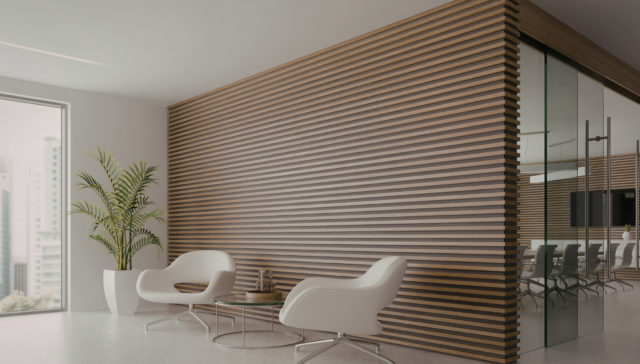
A guest bedroom might not be used every day, but when it is, it says a lot about your home. It’s the one space where comfort, functionality, and thoughtful design need to come together instantly. The problem is, most guest rooms are treated like storage spaces with a bed thrown in, rather than a properly designed experience.
If you want your guests to actually enjoy staying over, not just tolerate it, here are the most common mistakes we see, and exactly why they matter.
1. Pushing the bed into a corner
It might seem like a smart way to save space, but pushing the bed into a corner makes the room feel cramped and inconvenient. Guests end up climbing over one side, which is uncomfortable and impractical.
A bed should feel accessible. Even if space is limited, prioritizing at least one clear side makes a huge difference in usability and comfort.
2. Placing the bed under a window
This is one of the most common layout mistakes. While it may look fine visually, it often creates issues with light, temperature, and noise.
Guests may struggle with early sunlight, drafts, or lack of privacy. A solid wall behind the bed always provides a more comfortable and stable sleeping experience.
3. Ignoring bedside functionality
No bedside table, no lamp, nowhere to place a phone or water, this instantly makes the room feel incomplete.
Guests need basic functionality. Even a small surface and a simple light source can elevate the entire experience and make the room feel properly thought through.
4. Overcrowding the room with furniture
Trying to fit too much into a guest room usually backfires. Extra chairs, oversized wardrobes, or unnecessary decor pieces make the space feel tight and overwhelming.
Guest rooms should feel open and easy to move in. Keep only what’s essential, and let the room breathe.
5. Using leftover or mismatched furniture
Many guest rooms become a collection of “what didn’t fit elsewhere.” The result is a space that feels disconnected and unintentional.
Guests notice this. A cohesive look, even with simple furniture, always feels more welcoming than a mix of random pieces.
6. Poor lighting choices
Relying on a single overhead light creates a flat and uninviting atmosphere. It also doesn’t support different needs, like reading or relaxing.
Layered lighting is key. Combine ambient light with softer bedside lighting to create a more comfortable and flexible environment.
7. Lack of storage space
Guests often have nowhere to place their luggage or hang their clothes. This forces them to live out of a suitcase on the floor, which feels inconvenient.
Even a small luggage rack, a few hangers, or a clear surface can make guests feel more settled and at home.
8. No attention to privacy
Placing the bed directly in line with the door or in an exposed position can make the room feel uncomfortable.
Guests should feel like they have their own space. Small layout adjustments can create a sense of privacy without changing the entire room.
9. Overlooking comfort details
Things like mattress quality, pillows, and bedding are often neglected in guest rooms. But these are the details that matter most.
Even if the design looks great, poor comfort will ruin the experience. A good mattress and quality linens go a long way.
10. Treating it like a secondary space
The biggest mistake of all is not taking the guest room seriously. When it’s treated as an afterthought, it shows in every detail.
A well designed guest room doesn’t have to be extravagant. It just needs intention. When done right, it feels like a small retreat within your home.
If you’re planning to upgrade your guest bedroom and want it to feel truly designed, not just furnished, this is exactly what we do at 24 West Interior Design Studio. We focus on how spaces actually work and feel, not just how they look. Book your free consultation at +971 58 538 4483 and let’s turn your guest room into a space your guests will remember for the right reasons.
How to make a guest bedroom feel like a hotel stay
The difference between a basic guest room and a memorable one is how it makes people feel the moment they walk in. Hotels do this well, not because they’re expensive, but because they focus on consistency and comfort.
Start with the essentials done right. Clean, crisp bedding, comfortable pillows, and a well positioned bed instantly elevate the experience. Then layer in details that guests don’t always expect at home, like fresh towels, a small tray for essentials, or even a subtle scent in the room.
Lighting plays a big role here. Soft, warm lighting creates a relaxed atmosphere, especially in the evening. Combine that with blackout curtains or proper window treatments to give guests full control over their sleep environment.
It’s also about removing friction. Make sure everything is easy to find and use, from light switches to charging points. When guests don’t have to think twice about anything, the room feels effortless.
You don’t need a luxury budget to achieve this. You just need intention, and that’s what turns a guest room into an experience.
Small details that make a big difference for guests
Guest rooms are often judged by the smallest things. It’s not just about layout or furniture, it’s about how thoughtful the space feels.
Start with practicality. Provide a place for luggage, even if it’s just a clear corner or a simple bench. Add a few hangers or a small wardrobe space so guests don’t feel like they’re living out of a suitcase.
Then think about convenience. A bedside outlet, a reading light, or even a bottle of water can make the room feel instantly more welcoming. These are small gestures, but they show that the space was designed with someone else in mind.
Textures also matter. Soft bedding, layered cushions, and a rug underfoot make the room feel warmer and more inviting. Hard, empty spaces tend to feel cold, even if they look clean.
What separates a good guest room from a great one is attention to detail. When everything feels considered, guests relax faster, and that’s exactly the goal.
How to balance style and practicality in a guest room
One of the biggest challenges in designing a guest room is finding the balance between how it looks and how it works. Lean too much into aesthetics, and the room becomes impractical. Focus only on function, and it starts to feel generic.
The key is to design with real use in mind. Think about what your guest will actually do in the room, sleep, unpack, relax, maybe work for a bit. Every design decision should support these actions.
For example, a beautiful bed setup is important, but it should also be comfortable and accessible. A stylish chair is great, but only if it’s actually usable. Even decor should have a purpose, whether it’s adding warmth, texture, or a sense of calm.
Storage is another area where this balance matters. Hidden or minimal storage solutions can keep the room clean while still giving guests what they need.
When style and practicality work together, the room feels complete. It doesn’t just look good in photos, it actually works in real life, and that’s what people remember.