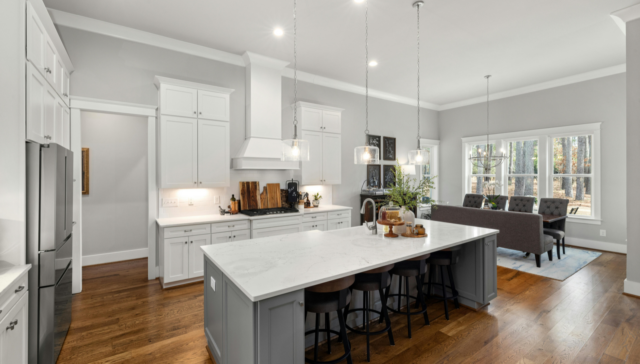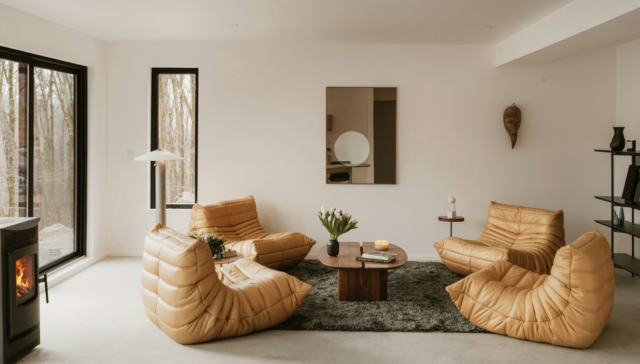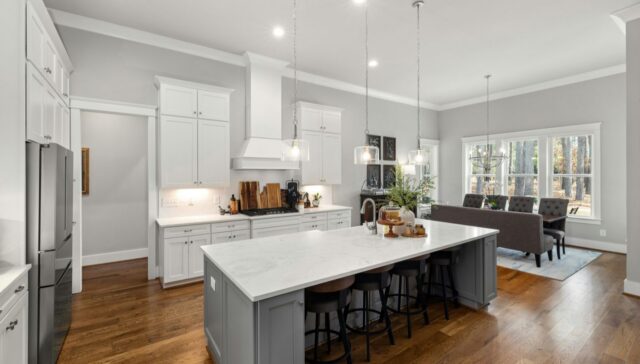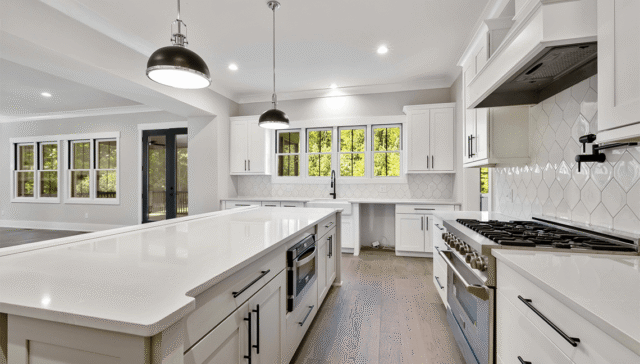
The cost of renovating a two bedroom townhouse in Dubai typically ranges from AED 80,000 to AED 250,000+, depending on the level of renovation, materials used, and whether structural changes are involved.
Most homeowners fall into one of three categories. A basic renovation, focused on painting, minor fixes, and cosmetic upgrades, usually sits on the lower end. A mid-range renovation, which includes new flooring, kitchen upgrades, bathroom improvements, and lighting, lands somewhere in the middle.
A full renovation, involving layout changes, custom joinery, premium materials, and full MEP upgrades, pushes the cost toward the higher end or beyond.
In this guide, we break down exactly where that money goes, from demolition and approvals to finishing touches, so you can plan your renovation properly, avoid unexpected costs, and make decisions that actually improve both your living space and your property value.
What Factors Affect the Cost of Renovating a Two Bedroom Townhouse in Dubai?
Renovation costs in Dubai are not random, they are driven by a mix of scope, quality, and technical complexity. The biggest factor is always the level of intervention. Are you repainting and upgrading finishes, or are you knocking walls down and redesigning the entire layout? That single decision can double or even triple your budget.
Material selection is another major driver. Standard tiles, laminates, and off-the-shelf kitchens will keep costs controlled, while marble, custom joinery, and imported fixtures will push the budget significantly higher. Labor and contractor quality also play a role. Cheaper contractors might look attractive upfront, but poor execution often leads to rework, which ends up costing more.
Then you have approvals and regulations. Depending on your community or developer, you may need permits for structural changes, electrical upgrades, or plumbing modifications. These are not optional, and skipping them can cause delays or fines.
Finally, there is design involvement. Working with a professional interior design studio adds an upfront cost, but it often saves money long term by avoiding mistakes, optimizing layouts, and ensuring materials are used efficiently. In Dubai, where expectations are high and execution matters, planning is what separates a smooth renovation from a stressful one.
Cost Breakdown: From Demolition to Final Finishes
Understanding where your money goes is what gives you control over your renovation. In Dubai, a typical two bedroom townhouse renovation starts with demolition, which can range from basic removal of finishes to full strip-outs. This stage usually takes a small portion of the budget but sets the foundation for everything that follows.
Next comes MEP works, mechanical, electrical, and plumbing. This is one of the most underestimated cost areas. Rewiring, upgrading lighting systems, relocating plumbing for kitchens or bathrooms, all of these add up quickly but are essential for functionality.
After that, you move into flooring and wall finishes. Tiles, wood, microcement, or marble can vary significantly in price depending on quality and origin. Joinery is another major cost center, especially if you are going for custom wardrobes, kitchens, or storage solutions.
Bathrooms and kitchens typically take a large chunk of the budget due to fixtures, fittings, and installation complexity. Then comes lighting, ceilings, and final detailing, which bring the entire design together.
By the time you reach the finishing stage, most of your budget is already allocated. That is why having a clear breakdown from the start helps you prioritize what matters most instead of overspending on the wrong elements.
How Much Do Different Renovation Levels Cost?
Not every renovation is the same, and understanding the tiers helps you set realistic expectations in Dubai. A basic renovation usually ranges between AED 80,000 and AED 120,000. This includes painting, minor repairs, updated lighting, and possibly small upgrades in kitchens or bathrooms without major structural work.
A mid-range renovation typically falls between AED 120,000 and AED 180,000. This is where you start seeing noticeable transformation. New flooring, upgraded bathrooms, improved kitchen layouts, and better lighting design all come into play. This level is ideal for homeowners who want a fresh, modern look without completely redesigning the space.
A high-end or full renovation can range from AED 180,000 to AED 250,000 or more. At this level, you are rethinking the entire space. Walls may be moved, layouts optimized, premium materials introduced, and custom joinery becomes a key feature. Smart home systems and high-end finishes are also common here.
The key is not choosing the most expensive option, it is choosing the level that aligns with how long you plan to stay, your lifestyle, and the value you want to add to the property.
Hidden Costs Most Homeowners Overlook
This is where most renovation budgets in Dubai go wrong. It is not the obvious costs that cause problems, it is the hidden ones that were never accounted for.
Approvals and permits are one of the first surprises. Depending on your community, you may need multiple approvals before starting work, and these can come with fees and time delays. Then there are structural surprises. Once demolition starts, issues like outdated wiring, plumbing leaks, or uneven flooring often appear, requiring additional work.
Temporary accommodation is another overlooked factor. If the renovation is extensive, you might need to move out for several weeks or even months, which adds to your overall cost.
Furniture and styling are also rarely included in renovation budgets, yet they play a huge role in the final outcome. You can spend a large amount on construction, but without proper furnishing, the space will not feel complete.
Contingency is critical. A smart renovation budget always includes at least 10 to 15 percent extra to handle unexpected costs. Without that buffer, even small issues can disrupt the entire project.
How to Optimize Your Budget Without Compromising Quality
Renovating in Dubai does not mean you have to overspend to get a high-end result. The key is knowing where to invest and where to save.
Start by focusing on high-impact areas. Kitchens, bathrooms, and living spaces are where design and functionality matter most. Investing in these areas gives you the biggest return, both in daily use and property value. On the other hand, secondary spaces can be kept more minimal without affecting the overall experience.
Mixing materials is another smart strategy. Instead of using premium materials everywhere, combine them with cost-effective alternatives. For example, using marble only in focal areas while opting for high-quality tiles elsewhere can significantly reduce costs without sacrificing aesthetics.
Planning everything upfront is what makes the biggest difference. Changes during construction are expensive. The more decisions you finalize before starting, the more you control your budget.
Finally, work with professionals who understand both design and execution. A well-planned renovation avoids waste, reduces delays, and ensures that every dirham you spend is actually adding value to your home.